


CGCH Z-Type Folding Container House Project in Chile
CGCH Z-Type Folding Container Accommodation Project for a Mining Site in Chile
Project Overview
CGCH supplied Z-Type Folding Container Houses for a mining-site accommodation project in Chile.
The modular units were designed to provide practical living and supporting spaces for personnel working in a remote industrial environment. After arriving at the project site, the folded modules were unloaded, unfolded, positioned, and prepared for use with limited on-site construction work.
The completed buildings feature a durable grey exterior with yellow structural detailing, creating a clear and recognizable appearance suited to the industrial setting.
This project demonstrates how Z-Type Folding Container Houses can help mining, energy, and infrastructure companies establish functional accommodation rapidly, especially in remote locations where conventional construction is difficult or time-consuming.
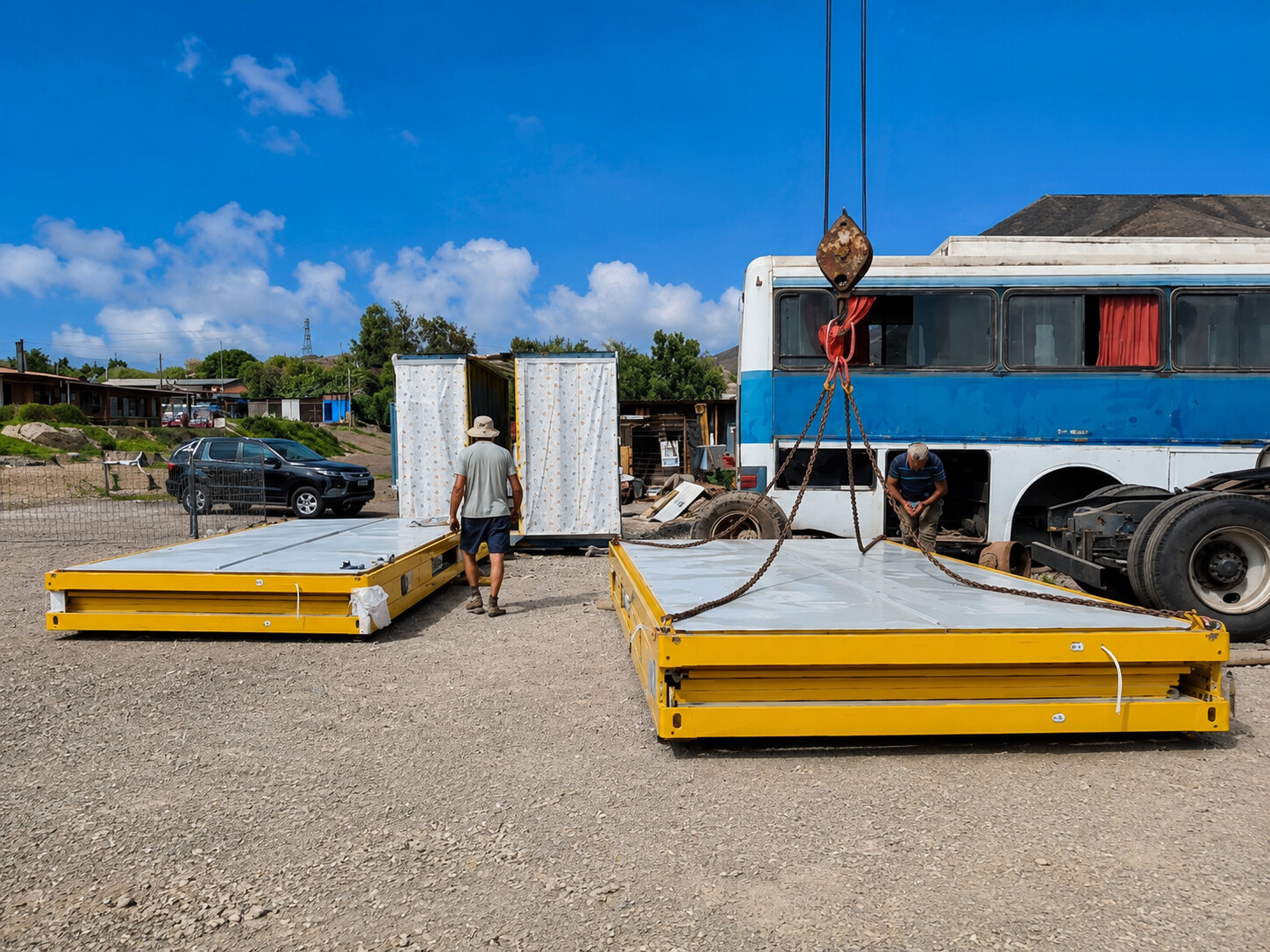
Challenges of Remote Mining Accommodation
Mining projects are often located far from established cities and public infrastructure. Delivering traditional construction materials, equipment, and skilled workers to these areas can significantly increase project costs and extend the construction schedule.
The Chile project required a building solution that could:
-
Be transported efficiently to a remote mining area;
-
Minimize construction work at the destination;
-
Be installed with commonly available lifting equipment;
-
Provide enclosed and weather-resistant accommodation;
-
Adapt to the local temperature and environmental conditions;
-
Support future expansion or relocation;
-
Maintain consistent quality across multiple units;
-
Reduce disruption to ongoing mining operations.
Based on these requirements, CGCH recommended the Z-Type Folding Container House system.
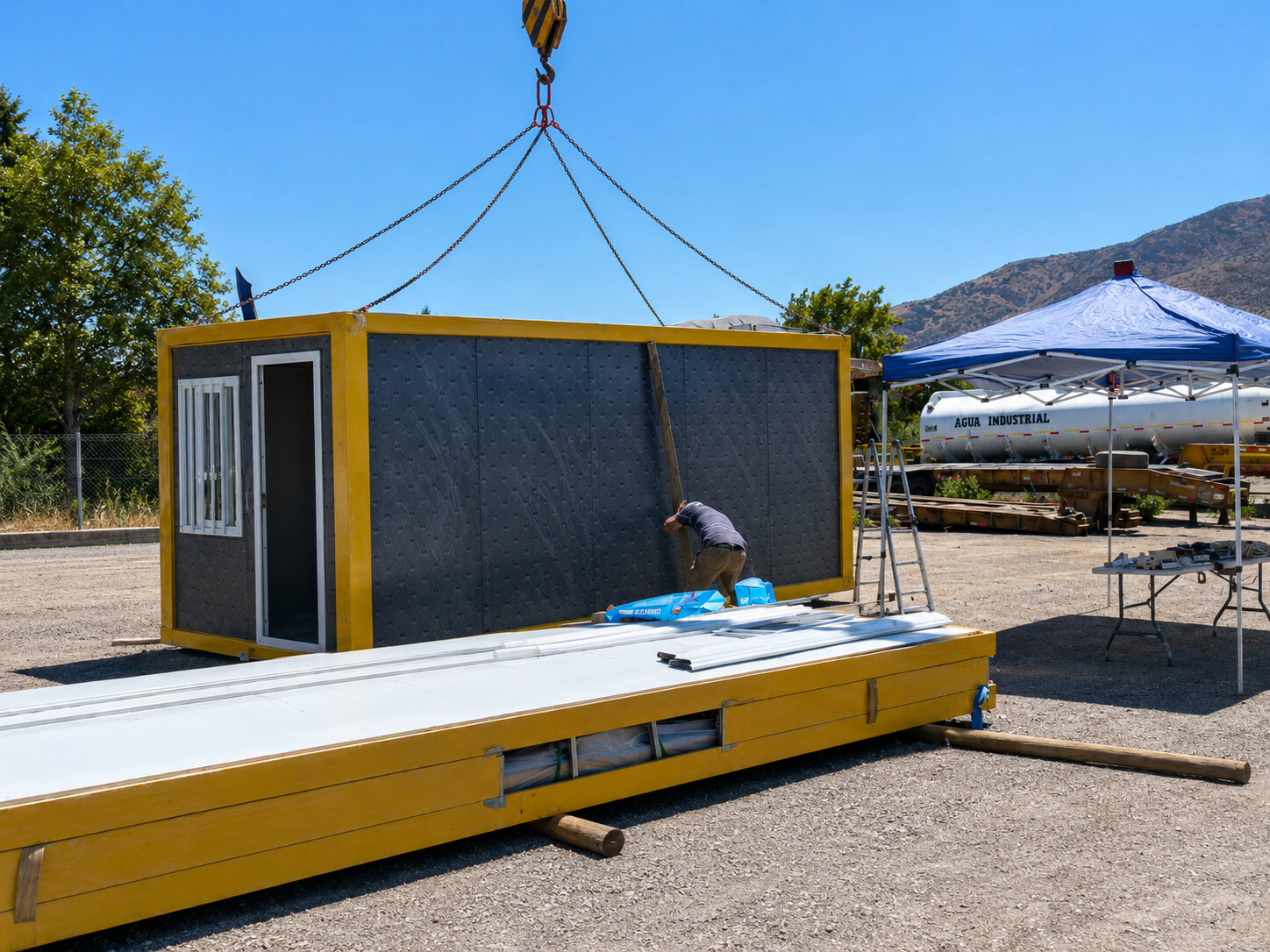
Why Z-Type Folding Container Houses Were Selected
Z-Type Folding Container Houses are factory-prefabricated modular buildings developed for efficient transportation and rapid deployment.
Before shipment, the principal structure is connected through a folding mechanism. The unit is transported in a compact form and unfolded after arriving at the project site.
Compared with fully assembled modular buildings, the folding design reduces transportation volume. Compared with conventional construction, it also reduces the amount of labour, material processing, and wet work required on site.
The system provides several advantages for mining accommodation projects:
-
Compact dimensions during transportation;
-
Rapid unfolding and installation;
-
High level of factory prefabrication;
-
Reduced need for skilled local construction workers;
-
Concealed electrical wiring;
-
Internal drainage design;
-
Flexible internal configurations;
-
Easy maintenance and component replacement;
-
Potential for relocation and repeated use;
-
Suitability for phased camp expansion.
These characteristics make the Z-Type system particularly useful for remote projects with demanding delivery schedules.
Factory Prefabrication
The steel structure, insulated wall panels, doors, windows, electrical components, and interior materials were prepared before shipment.
Producing the primary building components in a controlled factory environment helps improve dimensional consistency and reduces the effect of weather conditions on construction quality.
Before delivery, the units can be inspected according to the agreed material specifications and project configuration. This allows more of the work to be completed before the buildings reach the mining site.
For large accommodation projects, standardized factory production also makes it easier to maintain a consistent exterior appearance and interior arrangement across all modules.
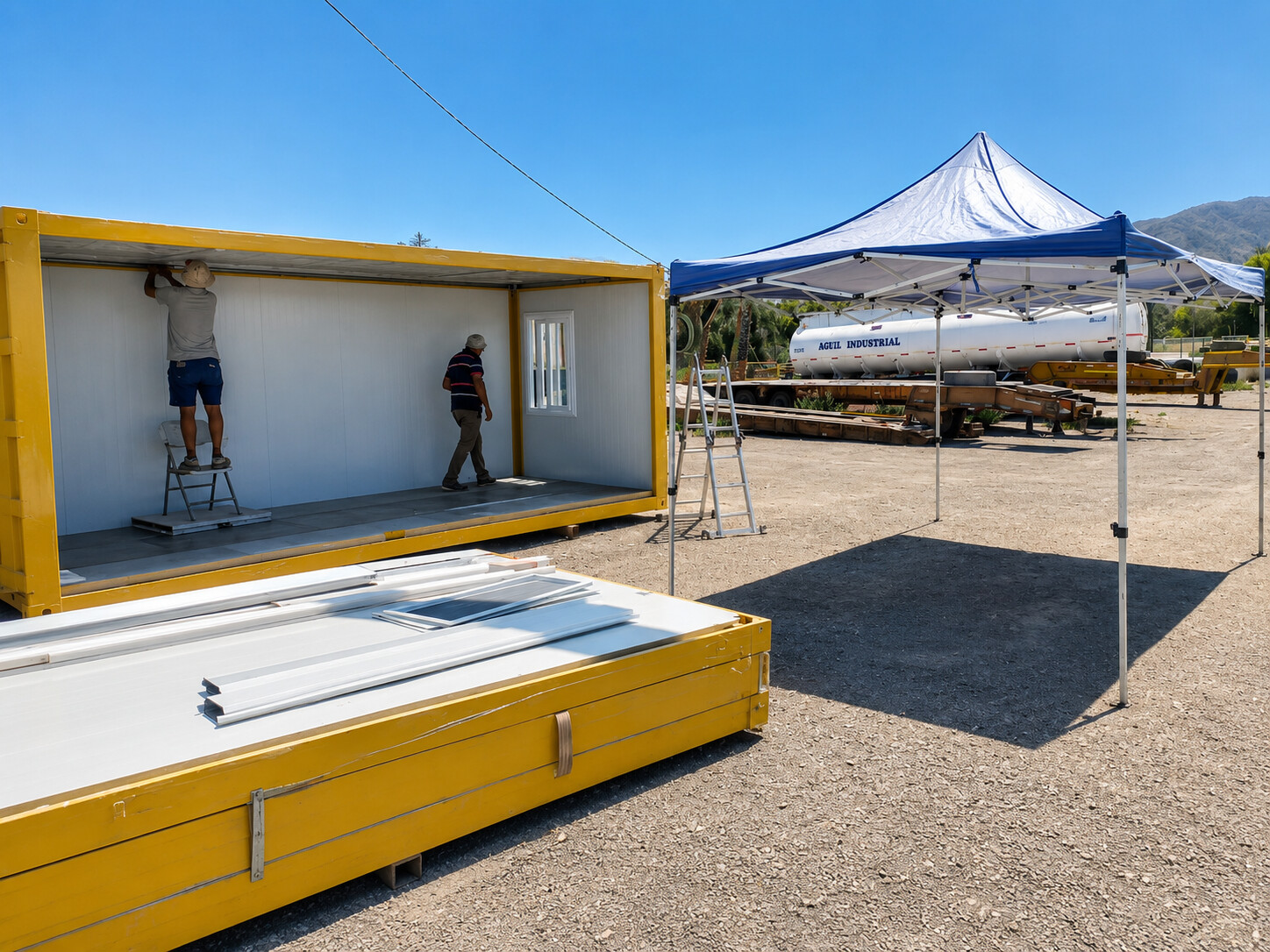
Transportation to the Project Site
Efficient transportation is one of the most important considerations for remote mining developments.
The Z-Type units were folded into a compact transport form before being shipped to Chile. After arrival, they were transferred to the mining area and unloaded using suitable lifting and handling equipment.


